
At Geefsweer Solar Park in Delfzijl, located on a former dredged sediment disposal site, everything appears to be running as expected during a routine preventive inspection. The park, which has been operational since 2019, is performing well. Except for one inverter. When the gates open for corrective maintenance a short time later, on a Monday morning in November 2024, the team suddenly finds itself facing a situation for which there is no playbook.
From routine maintenance to an exceptional situation
What starts that morning as corrective maintenance on an inverter quickly takes an unexpected turn. On site, the team discovers that parts of the solar park have subsided. The normally straight rows of solar panels now resemble a skatepark more than a solar park. In an instant, the priority shifts from maintenance to safety and damage limitation.
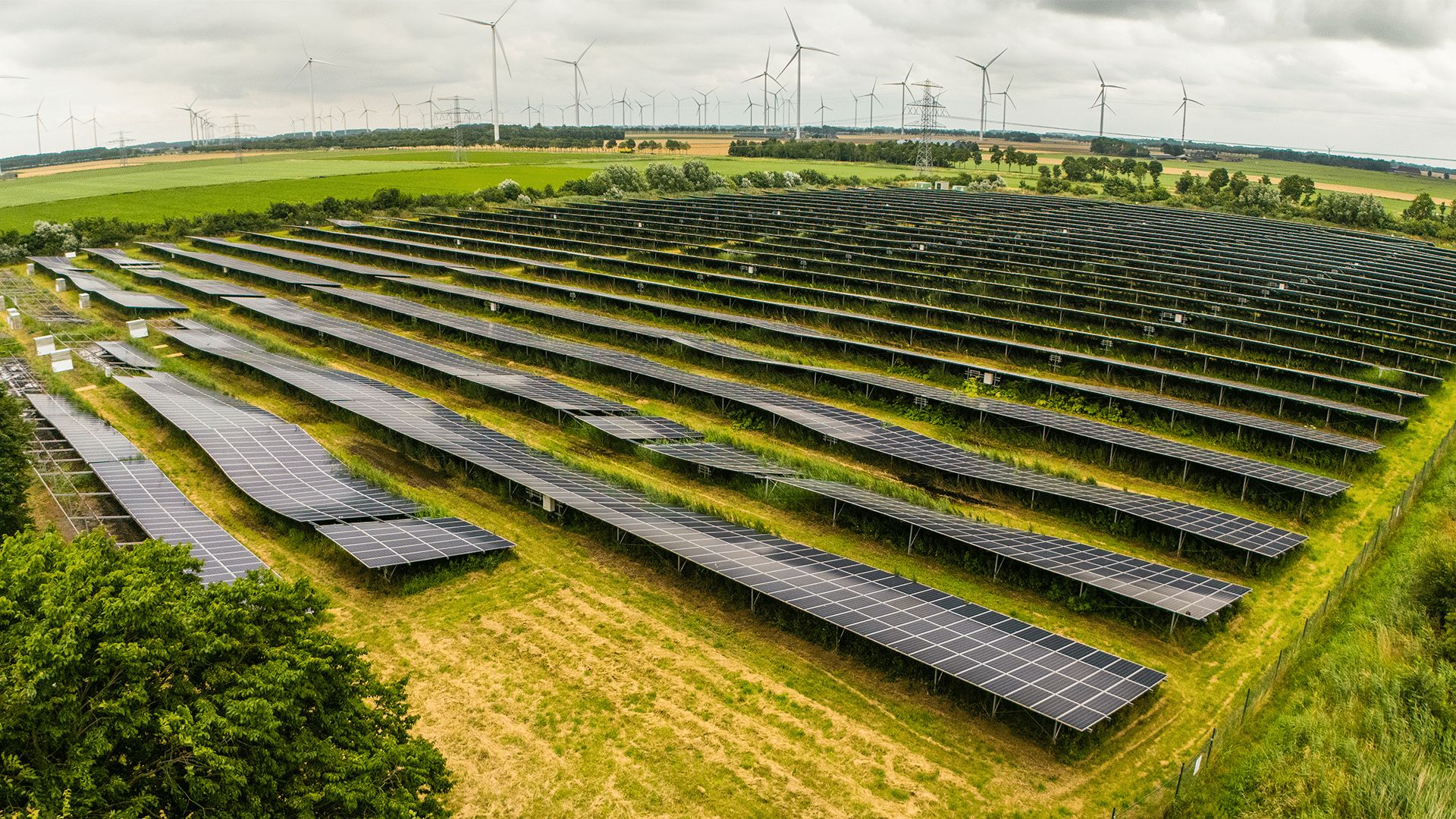
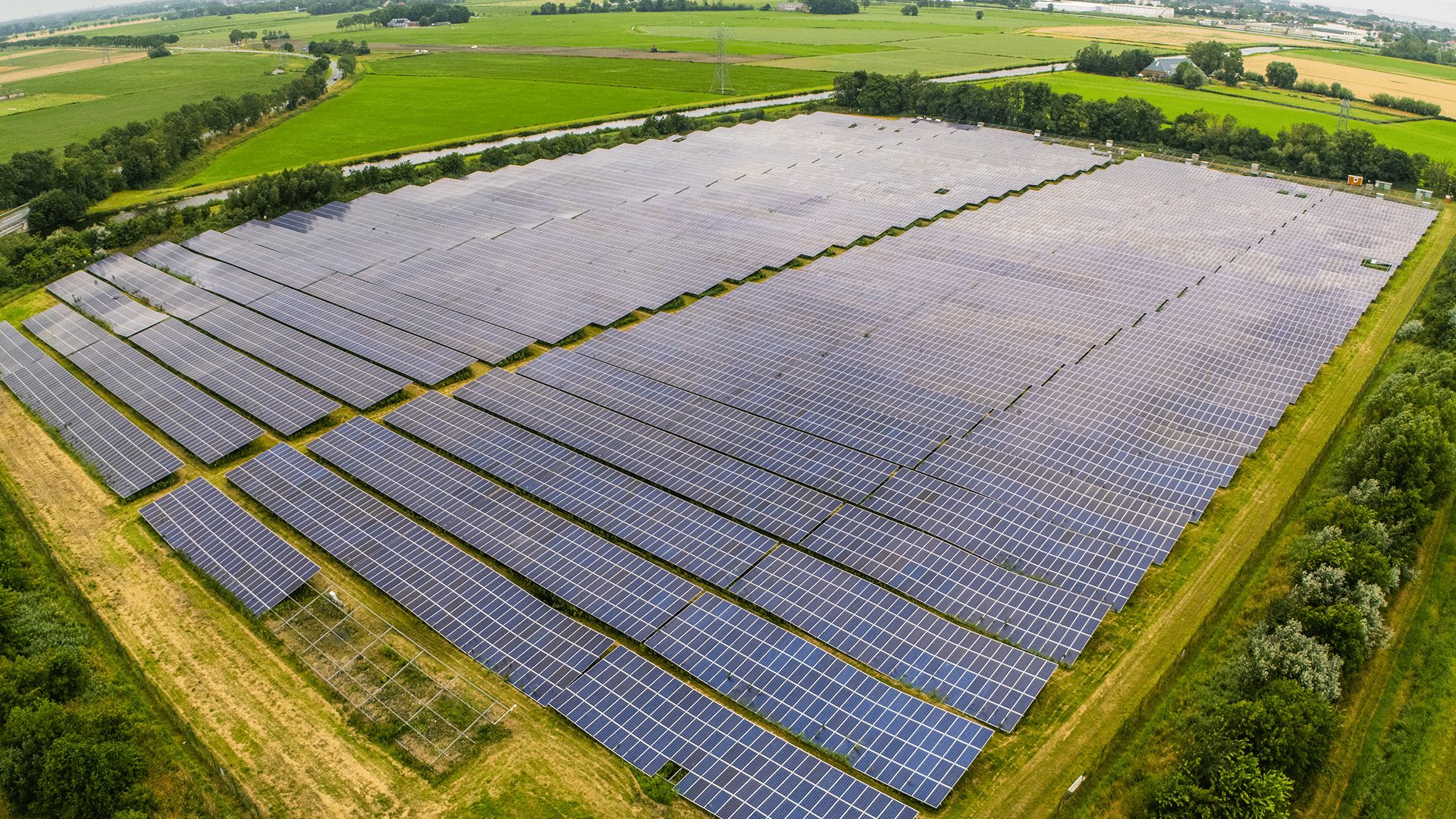
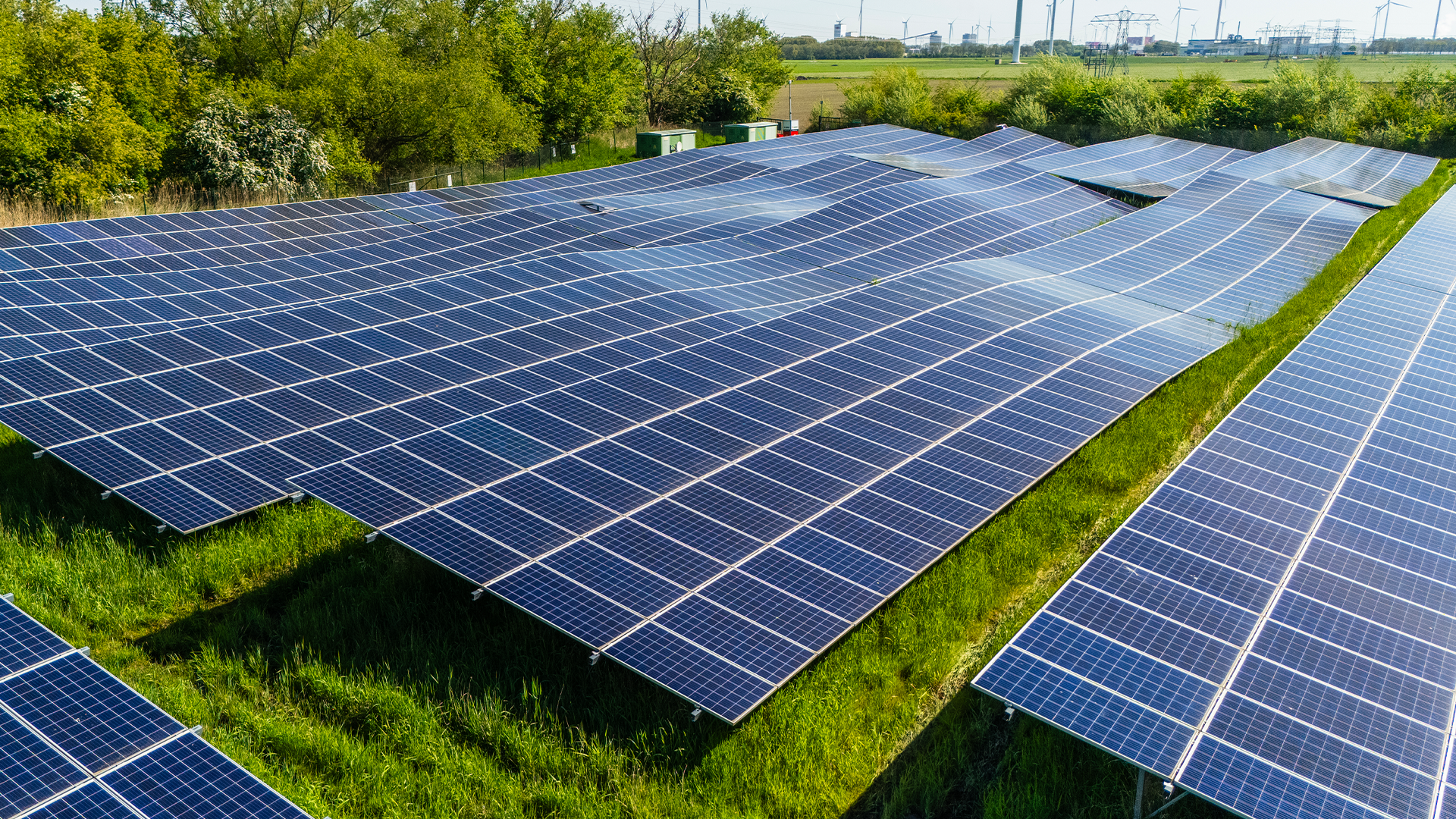
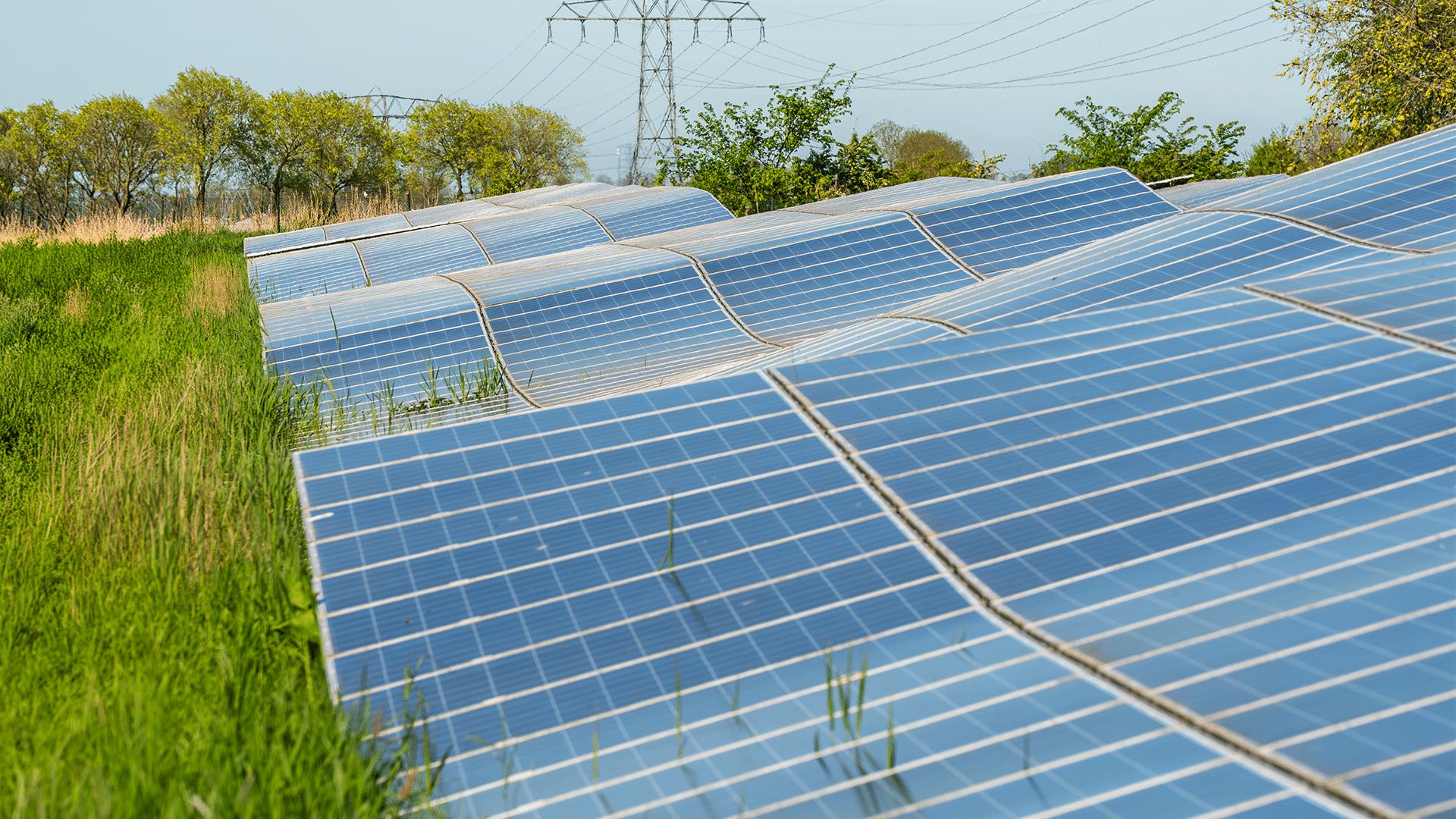
Klaer is involved from the very beginning. The park is shut down for safety reasons, and the situation is assessed on site. Calls are made, information is gathered and the necessary parties are brought together. The first actions follow immediately.
At this point, much remains uncertain. What caused the subsidence? What safety risks are involved? Could the situation deteriorate further? And what does this mean for a solar park that had been operating normally just a short time before?
You find yourself in a situation you’ve never encountered before.

For Klaer, the nature of asset management changes as well. Daily monitoring and routine maintenance give way to a complex process involving safety, technical investigations, damage limitation, insurance proceedings and financial consequences. Over the following months, several investigations take place. The soil is examined, foundation piles are excavated and inspected, and measurements are carried out. Various specialists and experts visit the site on multiple occasions.
Throughout this period, Klaer takes on a coordinating role, relieving the owner of the burden of managing these complexities. Technical, financial and insurance-related matters are translated into clear, actionable decisions. This allows the owner to maintain oversight and make informed decisions based on complete and reliable information.
Good asset management starts before something goes wrong
The insurance process highlights just how important the work carried out before the incident really is.
Klaer conducts thorough preventive inspections at regular intervals across the sites it manages, including Geefsweer. Using a standardised inspection checklist, the team systematically examines the installation’s components, from the mounting structures and connections to the electrical components and the visible condition of the panels. Findings are carefully documented, including photographs. Corrective maintenance is carried out where necessary.
Within the same week as the incident, Klaer provides both incident reports and previous inspection records. This documentation helps demonstrate that there had been no indications of gradual subsidence before the incident. That information proves particularly important during the insurance process, as it supports the conclusion that the event was sudden and unforeseen.
Thanks to thorough inspections and complete documentation from day one, we didn’t have to scramble to piece together the facts afterwards. That really made a difference during the insurance process.
Preventive asset management is therefore about more than availability and performance during normal operations. It also provides a reliable foundation when an unforeseen situation arises.
Not everything can be prevented
Even a well-maintained installation can be affected by something nobody saw coming. Good asset management cannot prevent everything. What matters in those moments is knowing the asset, maintaining a well-documented history and being able to respond quickly when circumstances change. The insurance process ultimately takes approximately a year. Throughout this period, the park remains out of production.
From repair to renewal
The conclusion of the insurance process marks the end of Klaer’s direct involvement in this phase of Geefsweer. For the solar park itself, however, a new chapter begins: the installation is being rebuilt.
Rather than simply recreating what was installed in 2019, the rebuild takes advantage of the significant technological developments made since then. It provides an opportunity to apply the knowledge and experience gained over the past few years. Using the latest technical insights, the design is further developed and adapted to the specific conditions on site.
Consideration is also given to which existing components can be retained. Major components, such as the grid connection station and transformers, can be reused. This gives existing infrastructure a second life, while other parts of the installation are replaced with newer, more efficient technology. Components from the original installation that are not included in the renewed solar park are not necessarily at the end of their useful life. Following the necessary inspections and potential refurbishment, these components can be reused at other solar parks.
The result is a renewed solar park capable of generating more renewable energy than before, within the same site.
The circumstances at Geefsweer are exceptional, but the underlying question is becoming increasingly relevant for solar park owners: when should you continue maintaining an installation, and when does renewal become the smarter choice?
Asset management throughout the entire lifecycle
The first generation of large-scale solar parks is getting older. Inverters and solar panels are being discontinued, spare parts are becoming harder to source, and new components are more efficient than those installed years ago. Eventually, this leads to a different consideration: should you continue maintaining an existing installation component by component, or does a more extensive renewal make greater sense from a technical and financial perspective?
For Klaer, this is a natural extension of asset management and maintenance. An asset evolves throughout its lifecycle. Initially, the focus is primarily on asset management, preventive maintenance and optimal performance. Later, questions arise about replacement, optimisation and, ultimately, renewal.
Geefsweer is an exceptional case because these challenges came together much sooner than expected. From routine asset management to an unforeseen incident. From technical investigations and insurance proceedings to determining how to make the solar park fit for the future once again.
Good asset management goes beyond keeping today’s installation running. It also means ensuring that owners know what the next sensible step is when their asset, the technology or the circumstances change.
